
Designing a Cohesive Backyard With a Fire Pit and Outdoor Lighting in Penn Township, PA
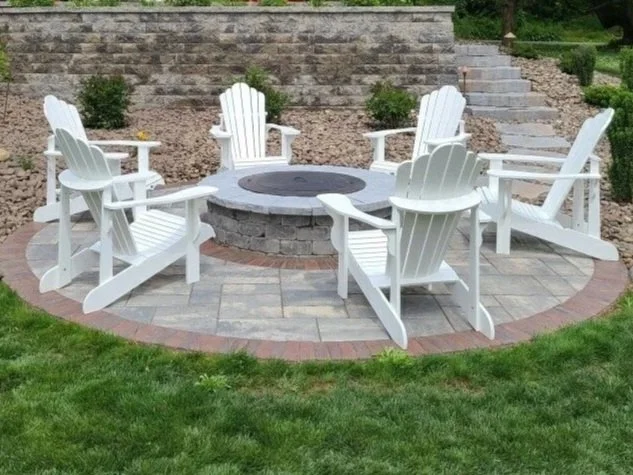
Designing a cohesive backyard with a fire pit and outdoor lighting in Penn Township, PA, is about more than adding a few features—it’s about shaping an atmosphere that feels intentional, refined, and ready for every season. When we design and build outdoor living spaces at Red Rock Landscape Inc., we approach each project as a complete environment, carefully blending masonry, plantings, and lighting into one unified experience.
Related: Hampden and North Middleton Township, PA: Cozy Evenings With the Perfect Fire Pit
The Power of Cohesion in Backyard Design
Affluent homeowners in Penn Township don’t want disjointed additions. A fire pit tucked awkwardly into the lawn or a few scattered path lights won’t deliver the kind of elevated outdoor environment you’re envisioning.
True cohesion means:
The fire feature complements the patio or terrace materials.
Lighting highlights architecture, stonework, and plantings without overpowering them.
Walkways, seating walls, and plant beds guide guests naturally through the space.
Every material performs beautifully through Pennsylvania’s changing seasons.
At Red Rock Landscape Inc., we design and build patios, seating walls, walkways, plantings, and outdoor lighting systems that work together from the beginning. The result is seamless, layered, and thoughtfully composed.
Penn Township experiences humid summers, vibrant autumns, freezing winters, and thaw cycles in early spring. These climate shifts make material selection and installation timing critical. We account for frost depth, drainage, soil movement, and snow load in every project so your outdoor investment stands strong year after year.
Now, let’s answer the questions homeowners ask most when planning a luxury fire feature and lighting design.
Can I Put A Fire Pit In My Backyard?
Yes—many properties in Penn Township are perfectly suited for a fire feature. Generous lot sizes, established landscaping, and defined outdoor entertaining areas create ideal conditions. But the key phrase is this: it must be done correctly.
Local ordinances and township regulations can influence what type of fire feature is permitted, where it can be located, and how it must be installed. Setbacks from structures, gas line regulations, and open burning guidelines all matter. We manage those details during the design and planning phase, ensuring your project aligns with municipal requirements while maintaining the elevated aesthetic you expect.
Beyond compliance, placement is everything. A fire pit that is simply “allowed” isn’t necessarily positioned well. We carefully evaluate:
Distance from the home and other structures
Prevailing wind patterns that could impact comfort
Tree canopy and overhead clearance
Existing grading and drainage patterns
Proximity to patios, pools, outdoor kitchens, and gathering zones
In Penn Township, where mature trees are common, wind direction and canopy height play a significant role in both comfort and safety. We consider how smoke will move across the property and how seasonal changes—like leaf drop or snow load—may affect the space.
A fire pit should never feel like an afterthought or leftover addition. On larger properties, we often position fire features:
As a focal point extending off a primary patio
Integrated into a circular or semi-circular seating wall
Slightly separated to create a more intimate lounge environment
Anchored within a courtyard-style layout framed by masonry or plantings
When we design the entire backyard holistically, the fire feature becomes part of the architectural rhythm of the landscape. It feels intentional, balanced, and fully integrated—not dropped in.
What Type Of Fire Pit Is Best?
The right fire pit depends on how you entertain, how often you plan to use it, and how it complements your home’s architecture.
At Red Rock Landscape Inc., we design and construct permanent masonry fire pits that coordinate with your patio materials, retaining walls, and overall hardscape layout. In Pennsylvania’s climate—where winters are cold and freeze-thaw cycles are routine—professionally built fire features offer significantly better long-term performance than portable alternatives.
Common options include:
Wood-Burning Fire Pit
Deliver a classic ambiance with authentic crackle and aroma
Ideal for homeowners who enjoy the ritual and sensory experience
Create a nostalgic, campfire-style gathering environment
Require proper ventilation and thoughtful placement
Wood-burning fire pits feel timeless and social. They encourage conversation and connection. However, they must be designed with careful attention to airflow, smoke management, and surrounding materials.
Gas Fire Pits
Clean-burning and highly convenient
Instant ignition at the touch of a switch
Adjustable flame height for different moods
Reduced smoke exposure
Gas installations require precise line placement and professional installation—especially in areas like Penn Township, where winter freeze cycles can impact underground infrastructure. We plan for expansion, frost heave, and proper protection to ensure reliable performance year-round.
For many affluent homeowners, gas fire pits provide effortless luxury. No stacking wood. No lingering smoke. Just immediate warmth and ambiance.
In Penn Township’s cooler evenings—particularly in late September through November—a fire feature dramatically extends your outdoor season. Paired with strategic lighting and wind-buffering plantings, it becomes a genuine four-season focal point rather than a summertime novelty.
How To Build A Fire Pit Seating Area?
A fire pit without intentional seating feels incomplete. The seating zone is what transforms a feature into a destination.
When we design fire pit areas, we focus on flow, comfort, and cohesion. We often integrate:
Curved or straight masonry seating walls
Built-in stone benches that match patio materials
Patio extensions allowing for flexible furniture placement
Accent lighting integrated into seat walls
The geometry matters. Curved seating walls naturally draw people inward, fostering conversation. Straight runs can create a more architectural, contemporary feel. The choice depends on your home’s style and the overall layout of the yard.
Key design considerations include:
Maintaining a comfortable distance from the flame
Preserving clear walking paths for safe circulation
Establishing proper grading for drainage
Ensuring adequate patio surface to prevent lawn wear
In Penn Township, freeze-thaw cycles demand serious structural preparation. We excavate to appropriate depths, install compacted aggregate bases, and ensure water drains away from the seating area. Without proper base work, moisture infiltration followed by freezing can cause movement or cracking over time.
Material coordination is also critical. The stone used in the seating wall often echoes the patio pavers or complements the home’s exterior masonry. We may introduce subtle contrasts for visual interest, but everything feels cohesive.
When done well, the fire pit seating area doesn’t feel like an accessory. It feels like a natural extension of your home’s architecture—grounded, refined, and welcoming.
How To Light An Outdoor Firepit?
Lighting a fire pit area requires restraint, layering, and precision. The objective is to enhance the glow—not overpower it.
We design lighting in intentional layers that support both safety and ambiance.
Subtle Perimeter Lighting
Low-voltage path lights guide guests safely to the seating area
Shielded fixtures to reduce glare
Soft illumination that defines edges without drawing attention to the fixtures themselves
Perimeter lighting ensures guests move comfortably through the space without interrupting the atmosphere.
Accent Lighting
Soft uplighting on the surrounding trees
Downlighting from pergolas or architectural structures
Integrated lighting within seat walls
Accent lighting provides depth. It frames the fire feature visually, making the space feel immersive rather than isolated in darkness.
Architectural Highlighting
Gentle illumination of nearby stonework
Wash lighting across retaining walls or patio surfaces
Highlighting of steps and elevation changes
Pennsylvania evenings—especially on wooded properties—can be exceptionally dark. Without professional lighting design, spaces either feel dim and underwhelming or harsh and overexposed.
Our outdoor lighting systems are engineered to:
Establish ambiance
Improve visibility without glare
Highlight key masonry and landscape features
Perform reliably through winter cold and spring thaw
We use fixtures rated for outdoor exposure and install wiring methods designed to withstand Penn Township’s freeze cycles. Lighting systems must endure snow, moisture, and fluctuating temperatures without compromising performance.
The result is an environment that glows rather than shines.
Related: How Outdoor Lighting in Mechanicsburg, PA Sets the Scene for Cozy Fire Pit Gatherings This Fall
How Bright Should Backyard Lights Be?
This is one of the most misunderstood elements of luxury outdoor design.
Brighter is not better.
In fact, excessive brightness can flatten textures, create uncomfortable glare, and diminish the warmth of your fire feature. A refined backyard lighting plan is layered and subtle.
We calibrate lighting intensity based on:
The primary purpose of the space—entertaining versus quiet relaxation
Proximity to neighboring properties
The natural darkness of the surrounding landscape
The reflectivity of patio and masonry materials
Lighter-toned pavers reflect more light. Darker stone absorbs it. Mature tree canopies create shadow pockets that must be balanced thoughtfully.
As a general guideline:
Path lighting should offer safe navigation without spotlighting the ground.
Accent lighting should graze trees or stone surfaces softly.
Fire pit zones should remain warm and intimate, with lighting supporting—not competing with—the flame.
In Penn Township’s upscale neighborhoods, sophisticated lighting distinguishes exceptional landscapes from average ones. It communicates intentionality. It feels curated rather than excessive.
Well-designed lighting doesn’t announce itself. It simply makes everything else look extraordinary.
What Material Can Withstand Extreme Cold?
Pennsylvania winters are serious. Snow accumulation, deep freezes, and repeated thaw cycles place significant stress on outdoor structures.
Material selection is not just aesthetic—it’s structural.
We choose materials engineered to perform in Northeastern climates, including:
High-quality concrete pavers rated for freeze-thaw durability
Natural stone appropriate for regional weather conditions
Engineered retaining wall systems designed for structural stability
Properly installed base materials for long-term support
Water is the real threat in cold climates. When moisture infiltrates materials and then freezes, expansion can cause cracking or shifting. That’s why drainage planning is as critical as surface selection.
Our installation process accounts for:
Proper excavation depth relative to frost lines
Compacted aggregate bases for structural integrity
Edge restraints that prevent lateral movement
Professional-grade jointing materials that resist washout
Penn Township’s late winter and early spring thaw periods can be particularly demanding. Saturated soils combined with freeze cycles test every layer of construction. By addressing structural preparation from the beginning, we protect your fire pit and patio investment for decades.
A cohesive backyard featuring a masonry fire pit and layered outdoor lighting deserves a foundation built for Pennsylvania’s climate. With careful planning, quality materials, and precise installation, your outdoor space remains stable, inviting, and ready to gather—no matter what the seasons bring.
Designing With the Penn Township Landscape in Mind
Penn Township features varied topography, mature trees, and established residential architecture. We design each backyard to complement:
Existing tree canopy
Property lines and sightlines
Home exterior materials
Natural grade changes
In some cases, retaining walls or terraced patios are necessary to create level gathering areas. In others, we use subtle elevation shifts to create visual interest.
The key is integration. A fire pit and lighting system should feel like it has always belonged to the property.
Seasonal Installation Considerations in Pennsylvania
Timing matters.
Spring
Ideal for planting installations
Ground moisture must be monitored
Scheduling fills quickly
Summer
Excellent for masonry work
Allows full curing before winter
Evening lighting installations showcase immediate results
Fall
Prime season for fire feature installation
Cooler temperatures ideal for working conditions
Projects completed before frost ensure stability
Winter
Ground freezing can limit excavation
Planning and design consultations continue
Select above-ground elements may still be installed depending on conditions
We carefully schedule projects to align with climate realities and ensure structural integrity.
The Emotional Impact of a Fire Feature and Lighting Design
Let’s talk about what you’re really after.
You’re not just adding a fire pit. You’re creating:
A gathering place after a Penn State game
A late-summer evening retreat
A quiet autumn moment with a glass of wine
A winter backdrop framed by subtle lighting and snowfall
When lighting softly grazes stone walls and mature trees while flames flicker at the center of the space, the backyard becomes magnetic.
Guests linger. Conversations stretch longer. The space feels curated and composed.
That is the difference between installation and design.
Bringing It All Together With Red Rock Landscape Inc.
At Red Rock Landscape Inc., we don’t treat fire pits and lighting as afterthoughts. They are central design elements that anchor the backyard experience.
Our approach includes:
Comprehensive site evaluation
Integrated patio and seating design
Professionally installed masonry fire features
Thoughtfully layered outdoor lighting systems
Climate-appropriate material selection
Precision installation built for Pennsylvania weather
Every detail is considered—from frost depth to flame height to how light reflects off stone at dusk.
Designing a cohesive backyard with a fire pit and lighting in Penn Township is about vision and execution. When both are handled with intention, the result is a space that feels elevated, inviting, and entirely your own.
If you’re ready to transform your property into an outdoor environment that feels as refined as the rest of your home, we’re ready to design it with you.
Related: Hampden Township, PA: Enhance Your Night Sky Experience With Subtle Outdoor Lighting
About the Author
Dave is the owner and founder of Red Rock Landscape, Inc., a full-service landscaping company based in Mechanicsburg, PA. Since founding the company in 2001, Dave has built Red Rock into a trusted name for landscape design, hardscaping, curbing, and lawn care across Cumberland County. As an ICPI certified installer, Tech Pro Contractor, and certified SRW installer, he brings hands-on expertise to every project.