
Outdoor Living Ideas for Small Backyards in Mechanicsburg, PA
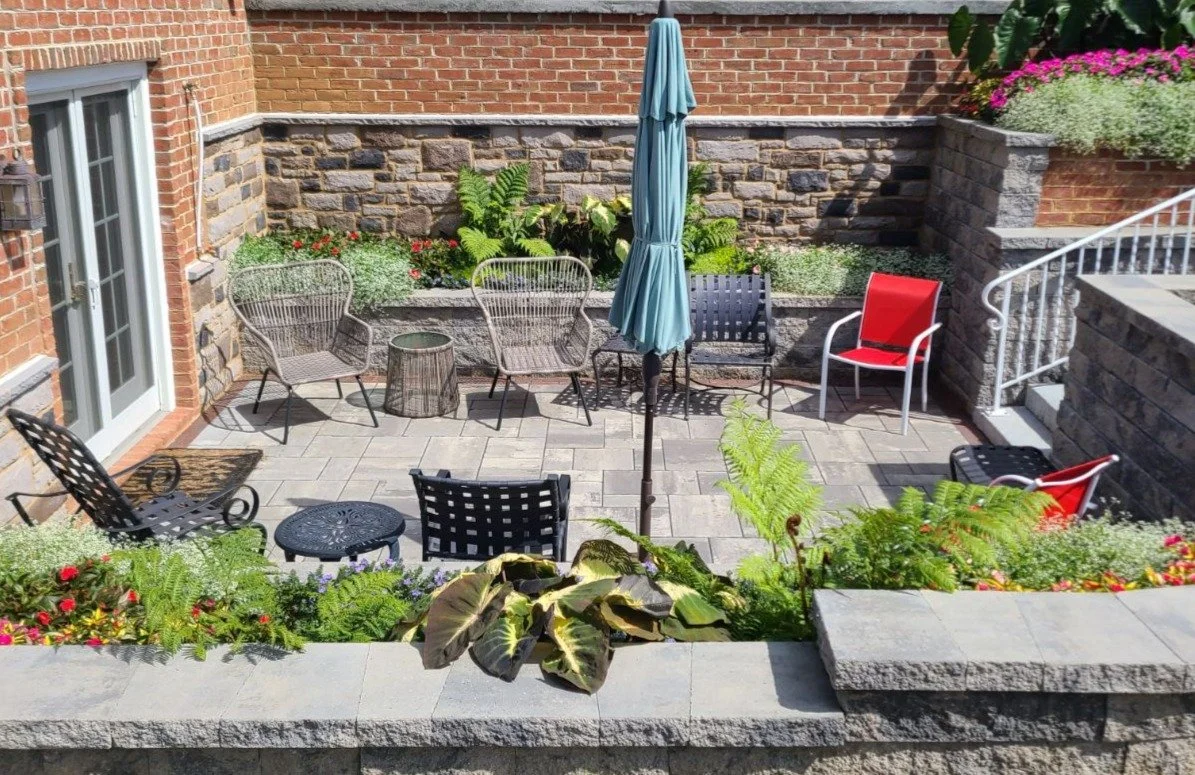
A small backyard in Mechanicsburg, PA, holds more potential than most homeowners realize. The size of a lot doesn’t determine how well an outdoor space functions or how much life happens in it. A thoughtfully designed small backyard delivers the same comfort, structure, and enjoyment as a sprawling one. It simply requires a different approach, one built around scale, layering, and purpose.
Homeowners across Cumberland County face this challenge often. Lots in established neighborhoods near Camp Hill, Hampden Township, and Upper Allen Township tend to run smaller than newer developments, yet the demand for usable outdoor living space has never been higher.
Red Rock Landscape, Inc. designs small backyards throughout the Mechanicsburg area that feel open, organized, and ready for daily use. This guide walks through the strategies, features, and plant choices that turn a compact yard into a true extension of the home.
Related: Create Memorable Outdoor Experiences With the Help of Skilled Landscapers in Mechanicsburg, PA
Start With a Plan, Not a Feature List
The biggest mistake in small-space design is choosing individual features before establishing an overall layout. A homeowner might want a patio, a fire feature, a planting bed, and a dining area, then try to fit all four into a space that only comfortably holds two or three. The result feels cramped and disconnected.
A landscape plan for a small backyard starts with the site itself. Sun exposure, existing grade, drainage patterns, and sightlines from the house all shape what will work. Red Rock Landscape evaluates these conditions before recommending any specific feature, because a fire pit that ignores wind direction or a patio placed in a low-drainage area causes problems long after installation.
Once the site conditions are understood, the plan identifies priorities. A family that entertains often needs a dining and cooking zone before anything else. A homeowner seeking quiet mornings with coffee may prioritize a small seating nook near a garden bed instead.
Every backyard, regardless of size, benefits from this order of operations: understand the site, set priorities, then select features that support those priorities.
What Makes an Outdoor Living Space Feel Bigger Than It Is?
Perceived size matters as much as actual square footage. Several design choices consistently make small backyards in Mechanicsburg feel more expansive than their dimensions suggest.
Consistent hardscape materials from the patio through the walkways create visual continuity, which reads as more open space than a yard broken up by mismatched surfaces. Diagonal paver patterns extend sightlines across a patio and make the area appear larger than a grid pattern in the same footprint. Keeping sightlines open, rather than blocking views with tall structures near the house, allows the eye to travel further into the yard.
Layered plantings along the perimeter also play a role. Rather than a single row of shrubs at the property line, graduated heights from low groundcover to mid-size shrubs to taller screening plants create depth.
This layering technique gives the eye multiple points of reference and makes a compact space feel intentional rather than boxed in. Homeowners in North Middleton Township and Silver Spring Township have used this approach to soften property lines while keeping the yard feeling open.
Vertical elements deserve consideration too. A pergola, an arbor, or a trellis draws the eye upward and adds a sense of volume that a flat, single-level yard lacks. When paired with climbing plants or string lighting, these structures give a small backyard a finished, layered feel without consuming ground space.
Which Hardscape Features Work Best in a Small Backyard?
Hardscape choices carry more weight in a small backyard because every square foot serves a purpose. Paver patios remain the foundation of most small-space designs in Mechanicsburg, PA, since they define the primary living area and set the tone for the rest of the yard. A patio sized to the actual furniture plan, rather than an arbitrary shape, prevents wasted space and awkward furniture placement.
Retaining walls solve a common challenge on sloped lots throughout Cumberland County. A single low retaining wall can convert an unusable slope into a level patio area or a raised planting bed, effectively adding functional square footage to a yard that previously offered none. In small backyards, a retaining wall doubles as seating when built to the right height, which serves two purposes within one structural element.
Fire features scale down well for compact spaces. A built-in fire pit sized appropriately for the patio, rather than an oversized feature meant for a larger property, keeps proportions balanced and still provides a gathering point for evenings outdoors. Homeowners in East Pennsboro Township and Lower Allen Township often pair a compact fire feature with built-in seating along the patio edge, which eliminates the need for freestanding chairs that clutter a tight footprint.
Walkways connecting the patio to other areas of the yard should stay narrow but clearly defined. A walkway that is too wide eats into planting space, while one too narrow feels like an afterthought. Matching the walkway material to the patio keeps the overall design cohesive.
How Does Lighting Change a Small Outdoor Living Space?
Lighting extends the usable hours of any backyard, but its impact is especially noticeable in smaller spaces. Well-placed low-voltage lighting along walkways and planting beds defines the edges of the yard after dark, which helps the space feel organized rather than lost in shadow.
Uplighting on a specimen tree or a taller shrub draws attention to a focal point and adds dimension that daytime viewing does not always reveal. Downlighting mounted in a pergola or tree canopy creates a soft, ambient glow across a patio without the harshness of overhead floodlights.
This kind of layered lighting, combining path lights, accent uplighting, and overhead downlighting, gives a compact backyard the same evening atmosphere as a much larger property.
Homeowners in Boiling Springs and Wormleysburg have found that lighting a fire feature area separately from the rest of the patio allows for flexibility. Bright enough lighting for cooking or hosting can shift to a dimmer, more relaxed setting for evening conversation, all within the same footprint.
What Plantings Work Best for Privacy in a Small Backyard?
Privacy ranks high on the list of priorities for small backyards, particularly on lots in Mechanicsburg and Camp Hill where homes sit closer together. Dense evergreen screening along the property line provides year-round coverage, but spacing matters. Plants set too close together for immediate privacy often struggle for light and water within a few seasons, while plants spaced correctly may take a season or two to fill in.
Layered plantings work better than a single hedge line in most small yards. A mix of evergreen shrubs at varying heights, paired with ornamental grasses or perennials in front, creates a screen that reads as a garden rather than a wall. This approach also supports pollinators and adds seasonal color, which a solid hedge alone does not provide.
Container plantings offer flexibility for patios and smaller footprints. Tall grasses or small ornamental trees in large containers can be repositioned as needed and provide privacy screening without a permanent planting commitment. This works well near dining areas where a homeowner wants a visual buffer during meals but does not want to block the entire view of the yard.
Vertical screening solutions, including trellises with climbing vines or living walls, address privacy without consuming ground space. These solutions suit narrow side yards or tight property lines common in older neighborhoods throughout Cumberland County.
Related: Transform Your Outdoor Space With Top Landscapers in Hampden Township, PA
How Many Zones Should a Small Backyard Include?
Zoning divides a backyard into distinct areas, each with a specific purpose, such as dining, lounging, cooking, or gardening. In a small backyard, the instinct is often to eliminate zones altogether and create one open space. In practice, two or three well-defined zones tend to work better than either one undifferentiated area or an attempt to cram in four or five separate spaces.
A typical small backyard in Mechanicsburg benefits from a primary patio zone for dining and lounging, a secondary zone for a fire feature or a quiet seating nook, and a planting zone that frames the other two. Defining these zones does not require walls or fences. A change in paver pattern, a low retaining wall, a planting bed, or a shift in elevation all signal a transition from one zone to another while keeping the overall yard feeling connected.
Furniture scale matters within each zone. Oversized sectionals or dining sets designed for larger patios overwhelm a small zone and make movement difficult. Furniture sized to the actual dimensions of the space, measured before purchase, keeps each zone functional and comfortable.
Traffic flow between zones deserves the same attention as the zones themselves. A narrow gap between a dining area and a fire feature forces guests to squeeze past occupied chairs, which undermines an otherwise well-planned layout. Leaving enough clearance for people to move freely, even when every seat is filled, keeps a small backyard feeling functional rather than congested during gatherings.

How Do You Extend Use of a Small Backyard Through the Seasons?
A few key factors determine whether a small backyard sees regular use through spring, fall, and even into winter.
Planning for Shade and Shelter
A small backyard earns its keep when it stays usable across more of the year, not just during peak summer weekends. Shade and shelter planning make the difference between a patio that sits empty on hot afternoons and one that stays in use from late spring through early fall.
A pergola positioned over the primary seating area blocks direct midday sun while still allowing airflow, and it can support a retractable canopy or shade sail for added flexibility on the brightest days.
Blocking Wind on Open Lots
Wind exposure matters just as much as sun exposure, particularly on open lots in Hampden Township and Monroe Township where fewer mature trees break up prevailing winds.
A low wall, a dense planting screen, or even a strategically placed arbor along the windward side of a patio reduces the chill on cooler evenings and keeps a fire feature functioning as intended rather than fighting a crosswind.
Extending Into Cooler Months
Cooler months extend further with a fire feature and layered lighting already in place, since both encourage use well past the first frost. Homeowners who install a fire pit as part of the original design, rather than adding one later, often find that the patio sees regular use into November.
Heat lamps or a fire feature paired with wind protection can push that usable window even further for households that entertain year-round.
Choosing Plants for Year-Round Interest
Seasonal plantings also keep a small backyard visually active outside the growing season. Evergreen structure provides the backbone, while ornamental grasses left standing through winter add movement and texture when most perennials have died back.
This kind of planning turns a compact yard into a space that offers something to look at in every season, not just a burst of color for a few summer months.
Bringing the Design Together
A small backyard in Mechanicsburg, PA succeeds when every element, from the patio material to the plant selection to the lighting plan, works toward the same goal rather than competing for limited space.
Red Rock Landscape, Inc. approaches each project by evaluating the site first, establishing priorities based on how the family actually uses the space, and then selecting features sized appropriately for the lot.
Homeowners throughout Cumberland County, including Camp Hill, Hampden Township, Upper Allen Township, and Silver Spring Township, have transformed compact backyards into fully functional outdoor living areas using these principles. The result is a yard that feels considered and complete, not limited by its footprint. From the first site evaluation through the final planting, each decision ties back to how the space will actually be used day to day.
For homeowners ready to explore what a small backyard can become, Red Rock Landscape, Inc. offers design and installation services throughout Mechanicsburg, PA and the surrounding Cumberland County area.
Contact Red Rock Landscape, Inc. today to start planning an outdoor living space built for the yard you actually have, not the yard you wish you had.
About the Author
Dave is the owner and founder of Red Rock Landscape, Inc., a full-service landscaping company based in Mechanicsburg, PA. Since founding the company in 2001, Dave has built Red Rock into a trusted name for landscape design, hardscaping, curbing, and lawn care across Cumberland County. As an ICPI certified installer, Tech Pro Contractor, and certified SRW installer, he brings hands-on expertise to every project.